UFFB Shorts: program I
- Off-time | Nata Metlukh | 11'
- Prelude | Alina Panasenko | 14'
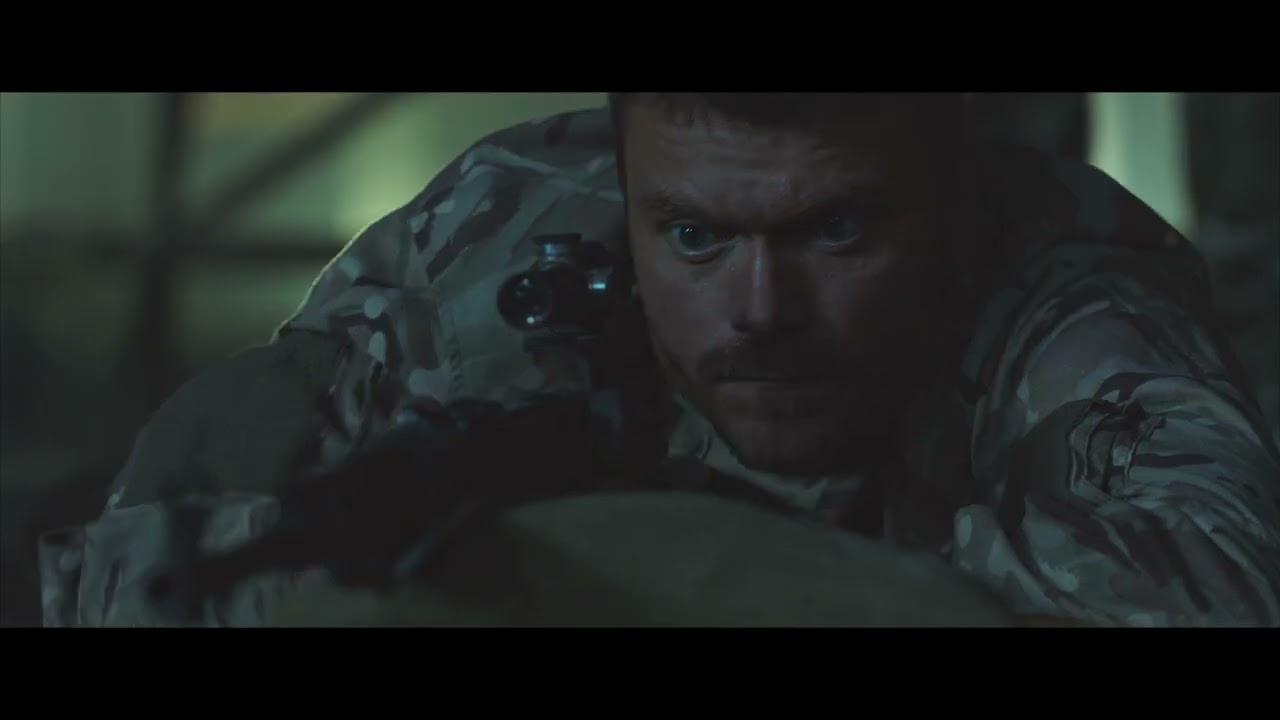
- Night Shift | Megumi Lim | 29'
- Walk | Daria Zhuravel | 7'
- Additional scenes | Roman Khimei, Yarema Malashchuk | 17'
Sold Out
6th Edition
24 Results
UFFB Shorts: program I
2024/2025
Short Films
UFFB Shorts: program I

Documentary · Ukraine, Denmark, Sweden, France · 2024
Olha Zhurba · 95'
A powerful film diary capturing everyday life amid the war in Ukraine – filled with poetic images, quiet moments, and traces of destruction.
Wed, 22 Oct 2025, 18:00 + Q&A
Festival Opening: silent green Kulturquartier
Gerichtstraße 35, 13347 Berlin
Wed, 22 Oct 2025, 18:00 + Q&A
Festival Opening: silent green Kulturquartier
Gerichtstraße 35, 13347 Berlin Main Program
A powerful film diary capturing everyday life amid the war in Ukraine – filled with poetic images, quiet moments, and traces of destruction.
Wed, 22 Oct 2025, 18:00 + Q&A
Festival Opening: silent green Kulturquartier
Gerichtstraße 35, 13347 Berlin
Two frontline medics—Cuba and Alaska—document war via phone and body-cam, revealing courage, humour, and an unbreakable friendship.
Sun, 26 Oct 2025, 18:00 + Q&A
Closing & Award ceremony: silent green Kulturquartier
Gerichtstraße 35, 13347 Berlin
Sun, 26 Oct 2025, 18:00 + Q&A
Closing & Award ceremony: silent green Kulturquartier
Gerichtstraße 35, 13347 Berlin Main Program
Two frontline medics—Cuba and Alaska—document war via phone and body-cam, revealing courage, humour, and an unbreakable friendship.
Sun, 26 Oct 2025, 18:00 + Q&A
Closing & Award ceremony: silent green Kulturquartier
Gerichtstraße 35, 13347 Berlin
UFFB Shorts: program II
2024/2025
Short Films
UFFB Shorts: program II

Documentary · Ukraine, France, Luxembourg, Netherlands · 2024
Kateryna Gornostai · 125'
Timestamp follows young people in Ukraine whose daily lives are marked by war. Blending documentary realism with poetic reflection, the film portrays a generation navigating uncertainty, friendship, and resilience while searching for their own path.
Main Program
Timestamp follows young people in Ukraine whose daily lives are marked by war. Blending documentary realism with poetic reflection, the film portrays a generation navigating uncertainty, friendship, and resilience while searching for their own path.

An intense documentary on Ukraine’s counteroffensive, blending the harsh reality of modern trench warfare with moments of human closeness, offering a powerful reflection on fear, courage, and survival.
Sat, 25 Oct 2025, 19:00 + Q&A
CineStar Kino in der Kulturbrauerei
Schönhauser Allee 36, 10435 Berlin
Sat, 25 Oct 2025, 19:00 + Q&A
CineStar Kino in der Kulturbrauerei
Schönhauser Allee 36, 10435 Berlin Main Program
An intense documentary on Ukraine’s counteroffensive, blending the harsh reality of modern trench warfare with moments of human closeness, offering a powerful reflection on fear, courage, and survival.
Sat, 25 Oct 2025, 19:00 + Q&A
CineStar Kino in der Kulturbrauerei
Schönhauser Allee 36, 10435 Berlin
A personal video-letter from the frontline, showing war as both a collective reality and an individual experience—marked by danger, exhaustion, and fleeting tenderness.
Main Program
A personal video-letter from the frontline, showing war as both a collective reality and an individual experience—marked by danger, exhaustion, and fleeting tenderness.

Documentary · France, Austria, Ukraine · 2024
Yelizaveta Smith, Alina Gorlova, Simon Mozgovy · 111'
Militantropos (Lat. “milit” – warrior, Gr. “antropos” – human) describes the state of a person in war. This experience demands constant individual and collective transformation, where war becomes the condition for survival.
Sat, 25 Oct 2025, 16:00
Prenzlauer Allee 80, 10405 BerlinFollowed by panel discussion Creative Loop: How Can Ukrainian War Documentarians Move Beyond the Expected?
France, Austria, Ukraine · 2024
Director: Yelizaveta Smith, Alina Gorlova, Simon Mozgovy
Sat, 25 Oct 2025, 16:00
Prenzlauer Allee 80, 10405 BerlinFollowed by panel discussion Creative Loop: How Can Ukrainian War Documentarians Move Beyond the Expected?
Main Program
Militantropos (Lat. “milit” – warrior, Gr. “antropos” – human) describes the state of a person in war. This experience demands constant individual and collective transformation, where war becomes the condition for survival.
Sat, 25 Oct 2025, 16:00
Prenzlauer Allee 80, 10405 BerlinFollowed by panel discussion Creative Loop: How Can Ukrainian War Documentarians Move Beyond the Expected?

On 25th of October, after the screening of "Militantropos": Panel discussion “Creative Loop: How Can Ukrainian War Documentarians Move Beyond the Expected?”
Panel Discussion
On 25th of October, after the screening of "Militantropos": Panel discussion “Creative Loop: How Can Ukrainian War Documentarians Move Beyond the Expected?”

Despite a war close by, mud treatments and electro-therapies continue at Kuyalnik Sanatorium near Odesa in southern Ukraine, where a small group searches for love, healing & happiness.
Main Program
Despite a war close by, mud treatments and electro-therapies continue at Kuyalnik Sanatorium near Odesa in southern Ukraine, where a small group searches for love, healing & happiness.

A Ukrainian family’s holiday in Tenerife turns into a struggle for survival when war at home prevents their return, highlighting the fragility of life and the strength of those forced into exile.
Main Program
A Ukrainian family’s holiday in Tenerife turns into a struggle for survival when war at home prevents their return, highlighting the fragility of life and the strength of those forced into exile.

Feature, Science-Fiction · Belgium, Ukraine · 2024
Pavlo Ostrikov · 101'
A darkly humorous Ukrainian sci-fi about the last human in the universe, whose search for connection explores mortality, loneliness, and the universal longing for closeness.
Main Program
A darkly humorous Ukrainian sci-fi about the last human in the universe, whose search for connection explores mortality, loneliness, and the universal longing for closeness.

A gripping drama about a young couple trapped in their new home on the eve of Russia’s invasion, forced to confront both the struggle for survival and the fragility of love under siege.
Main Program
A gripping drama about a young couple trapped in their new home on the eve of Russia’s invasion, forced to confront both the struggle for survival and the fragility of love under siege.

2024/2025
90'
UFFB Shorts: Out of Competition. This programme is a joyful collection of the unconventional, the funny, and the delightfully eccentric films our short film committee simply couldn’t let go. From handcrafted micro-shorts to polished genre pieces, it’s all here as long as it’s made with passion and talent. A little bit of everything, brought together for maximum delight.
Short Films
UFFB Shorts: Out of Competition. This programme is a joyful collection of the unconventional, the funny, and the delightfully eccentric films our short film committee simply couldn’t let go. From handcrafted micro-shorts to polished genre pieces, it’s all here as long as it’s made with passion and talent. A little bit of everything, brought together for maximum delight.

Documentary · Ukraine, Germany · 2025
Eva Neymann · 124'
A poetic portrait of Odesa in wartime, following locals whose everyday lives, memories and dreams persist amid loss and uncertainty.
Sun, 26 Oct 2025, 16:00
Prenzlauer Allee 80, 10405 BerlinFollowed by panel discussion Decolonial Perspectives: Local Histories and Voices
Sun, 26 Oct 2025, 16:00
Prenzlauer Allee 80, 10405 BerlinFollowed by panel discussion Decolonial Perspectives: Local Histories and Voices
Special Program
A poetic portrait of Odesa in wartime, following locals whose everyday lives, memories and dreams persist amid loss and uncertainty.
Sun, 26 Oct 2025, 16:00
Prenzlauer Allee 80, 10405 BerlinFollowed by panel discussion Decolonial Perspectives: Local Histories and Voices

After the screening of "When Lightning Flashes Over the Sea": Panel discussion “Decolonial Perspectives: Local Histories and Voices”
Panel Discussion
After the screening of "When Lightning Flashes Over the Sea": Panel discussion “Decolonial Perspectives: Local Histories and Voices”

How does it feel to grow up in times of war? In a self-made collaborative documentary, nine young Ukrainians provide a unique insight into their lives – into a daily routine in a state of emergency.
Special Program
How does it feel to grow up in times of war? In a self-made collaborative documentary, nine young Ukrainians provide a unique insight into their lives – into a daily routine in a state of emergency.

Feature, Drama, Biography · Ukraine, Czech Republic, Sweden, Slovakia · 2023
Ivan Tymchenko · 106'
1980, USSR. Crimean Tatar activist Mustafa Dzhemilev is exiled to a Siberian village to work at an oxygen station; three people set out across the country—one to meet him, one to destroy him, one to protect him.
Ukraine Known Unknown
1980, USSR. Crimean Tatar activist Mustafa Dzhemilev is exiled to a Siberian village to work at an oxygen station; three people set out across the country—one to meet him, one to destroy him, one to protect him.

Documentary, Biography, Music · Ukraine · 2024
Artem Hryhoryan · 93'
A biographical docu-drama about Nazariy Yaremchuk — Ukraine’s first pop star — tracing his rise and legacy through family memories, diaries, and rare archival footage.
Ukraine Known Unknown
A biographical docu-drama about Nazariy Yaremchuk — Ukraine’s first pop star — tracing his rise and legacy through family memories, diaries, and rare archival footage.

Feature, Drama, Melodrama · Ukraine, Germany · 1994
Natalya Andreychenko · 105'
In a Soviet industrial town during a cholera outbreak (1973–74), Zina ‘Shamara’ Shamarina is torn between love and trauma after marrying the man who once assaulted her.
Retrospective
In a Soviet industrial town during a cholera outbreak (1973–74), Zina ‘Shamara’ Shamarina is torn between love and trauma after marrying the man who once assaulted her.

Kyiv in a single day: a tour guide improvises a new route for American visitors and secretly turns it into the life story of an ‘unknown’ poet — himself.
Retrospective
Kyiv in a single day: a tour guide improvises a new route for American visitors and secretly turns it into the life story of an ‘unknown’ poet — himself.

The Georgian film program “Protest(s) continues – Georgian documentary cinema against the authoritarian regime” brings together short films from the series “Stories of Political Prisoners in the Films of Georgian Filmmakers,” which assembles leading voices of Georgian documentary cinema such as Salomé Jashi, Anna Dziapshipa, Tiku Kobiashvili, and others. Here, individual film portraits capture the political prisoners, the so-called “სინდისის პატიმრები/Sindisis Patimrebi” (en.: prisoners of conscience), and their dramatic fates.
The program concludes with the documentary “CHASE” (დევნა/Dewna, 2025, Chai Docs) by Niniko Lekishvili. In it, the director follows the star of contemporary Georgian cinema through his crisis-ridden everyday life between activism, protest, and private life.
The program is rounded off by a conversation between cultural studies scholar and curator Irine Beridze and an anthropologist Dato Laghidze.Curator: Irine BeridzeGuest: Anthropologist Dato Laghidze
Film Focus
The Georgian film program “Protest(s) continues – Georgian documentary cinema against the authoritarian regime” brings together short films from the series “Stories of Political Prisoners in the Films of Georgian Filmmakers,” which assembles leading voices of Georgian documentary cinema such as Salomé Jashi, Anna Dziapshipa, Tiku Kobiashvili, and others. Here, individual film portraits capture the political prisoners, the so-called “სინდისის პატიმრები/Sindisis Patimrebi” (en.: prisoners of conscience), and their dramatic fates.
The program concludes with the documentary “CHASE” (დევნა/Dewna, 2025, Chai Docs) by Niniko Lekishvili. In it, the director follows the star of contemporary Georgian cinema through his crisis-ridden everyday life between activism, protest, and private life.
The program is rounded off by a conversation between cultural studies scholar and curator Irine Beridze and an anthropologist Dato Laghidze.Curator: Irine BeridzeGuest: Anthropologist Dato Laghidze

Under Soviet rule, Central Asia functioned primarily as a vast source of raw materials. For decades, cotton, coal, uranium, oil, and gas were systematically extracted for export, with devastating consequences for local populations and the environment. The planned economy followed a clear division of labor: while key industries remained concentrated in the European part of the USSR, entire Eastern regions were reduced to resource extraction and the cultivation of monocultures. Uzbekistan and Turkmenistan were turned into sprawling cotton plantations, their rivers artificially redirected to irrigate the fields - a policy that led to the catastrophic drying up of the Aral Sea, one of the worst ecological disasters in history. Kazakhstan became the main uranium supplier for the Soviet atomic program. The landscape still bears the scars of radioactive contamination, most dramatically around Semey (formerly Semipalatinsk). In Kyrgyzstan, mining boomed under Soviet rule and entire towns were built for the extractive industries, many of them falling into decay after the USSR's collapse. Yet even in the post-Soviet era, mining remains one of Kyrgyzstan's most important economic sectors, now largely privatised and employing many day labourers.
The history of resource extractivism in Central Asia, profoundly shaped by Soviet policy, still remains little known in global discourse. This program presents four contemporary short films from and about the region that engage with this legacy from ecological and postcolonial perspectives. The films examine not only environmental issues but also the human dimension regarding land and labor, raising urgent questions about the region's (ecological) future.Curator: Azem Bekturova, art historian and film curatorGuest: Mila Zhluktenko, filmmaker
Film Focus
Under Soviet rule, Central Asia functioned primarily as a vast source of raw materials. For decades, cotton, coal, uranium, oil, and gas were systematically extracted for export, with devastating consequences for local populations and the environment. The planned economy followed a clear division of labor: while key industries remained concentrated in the European part of the USSR, entire Eastern regions were reduced to resource extraction and the cultivation of monocultures. Uzbekistan and Turkmenistan were turned into sprawling cotton plantations, their rivers artificially redirected to irrigate the fields - a policy that led to the catastrophic drying up of the Aral Sea, one of the worst ecological disasters in history. Kazakhstan became the main uranium supplier for the Soviet atomic program. The landscape still bears the scars of radioactive contamination, most dramatically around Semey (formerly Semipalatinsk). In Kyrgyzstan, mining boomed under Soviet rule and entire towns were built for the extractive industries, many of them falling into decay after the USSR's collapse. Yet even in the post-Soviet era, mining remains one of Kyrgyzstan's most important economic sectors, now largely privatised and employing many day labourers.
The history of resource extractivism in Central Asia, profoundly shaped by Soviet policy, still remains little known in global discourse. This program presents four contemporary short films from and about the region that engage with this legacy from ecological and postcolonial perspectives. The films examine not only environmental issues but also the human dimension regarding land and labor, raising urgent questions about the region's (ecological) future.Curator: Azem Bekturova, art historian and film curatorGuest: Mila Zhluktenko, filmmaker

Where film meets house music, united by love for art and Ukraine.The annual Ukrainian Film Festival Berlin 2025 reaches its midpoint with the main night event at ACUD Club. Days filled with cinema deserve to be matched with a memorable get-together. Everyone is welcome: festival guests, the crew, and anyone curious to peek behind the festival scenes or simply looking for a fun Friday night of dancing. The sound comes from the Ukrainian Berlin-based DJ collective Hauswerks (Rina Katen, justcallmesergio, Loves_Kills), followed later by a selection of beloved Ukrainian hits for a tipsy singalong into the night.
Festival Party
Where film meets house music, united by love for art and Ukraine.The annual Ukrainian Film Festival Berlin 2025 reaches its midpoint with the main night event at ACUD Club. Days filled with cinema deserve to be matched with a memorable get-together. Everyone is welcome: festival guests, the crew, and anyone curious to peek behind the festival scenes or simply looking for a fun Friday night of dancing. The sound comes from the Ukrainian Berlin-based DJ collective Hauswerks (Rina Katen, justcallmesergio, Loves_Kills), followed later by a selection of beloved Ukrainian hits for a tipsy singalong into the night.
Short Film Competition
 01
Jury President
Darya Bassel has a background in TV and commercial production. In 2011, she joined Docudays UA IHRDFF, initially as a programmer and later as head of the industry platform. She became a producer in 2013 and has participated in Eurodoc, Ex Oriente, and EAVE. Notable titles she has produced include OUTSIDE (2022), the drama BUTTERFLY VISION (2022), and the satirical drama THE EDITORIAL OFFICE (2024). Her latest title, SONGS OF SLOW BURNING EARTH, directed by Olha Zhurba, premiered in Venice in 2024 and received multiple awards.
photo © Hanna Hrabarska
 02
Jury Member
Nir Ferber is a lecturer for film theory and holds a PhD in film studies. Alongside his academic work, he works as a film programmer and is currently a member of the curating collective of the Jewish Film Festival Berlin-Brandenburg.
photo © Nir Ferber
 03
Jury Member
Konstanty Kuzma is the co-founder and co-editor of the East European Film Bulletin, an online journal on Central, Eastern, and South-Eastern European cinema. He studied philosophy in Berlin, Berkeley, and Munich, and joined the Philosophy Institute at the University of Stuttgart as a post-doctoral researcher in 2024. He is currently editing a book on film and urban spaces in Belarus, Poland, and Ukraine under contract with Routledge, and producing an archival film on forced labor during World War Two.
photo © Sebastian Šimek
Winner — Short Film Competition

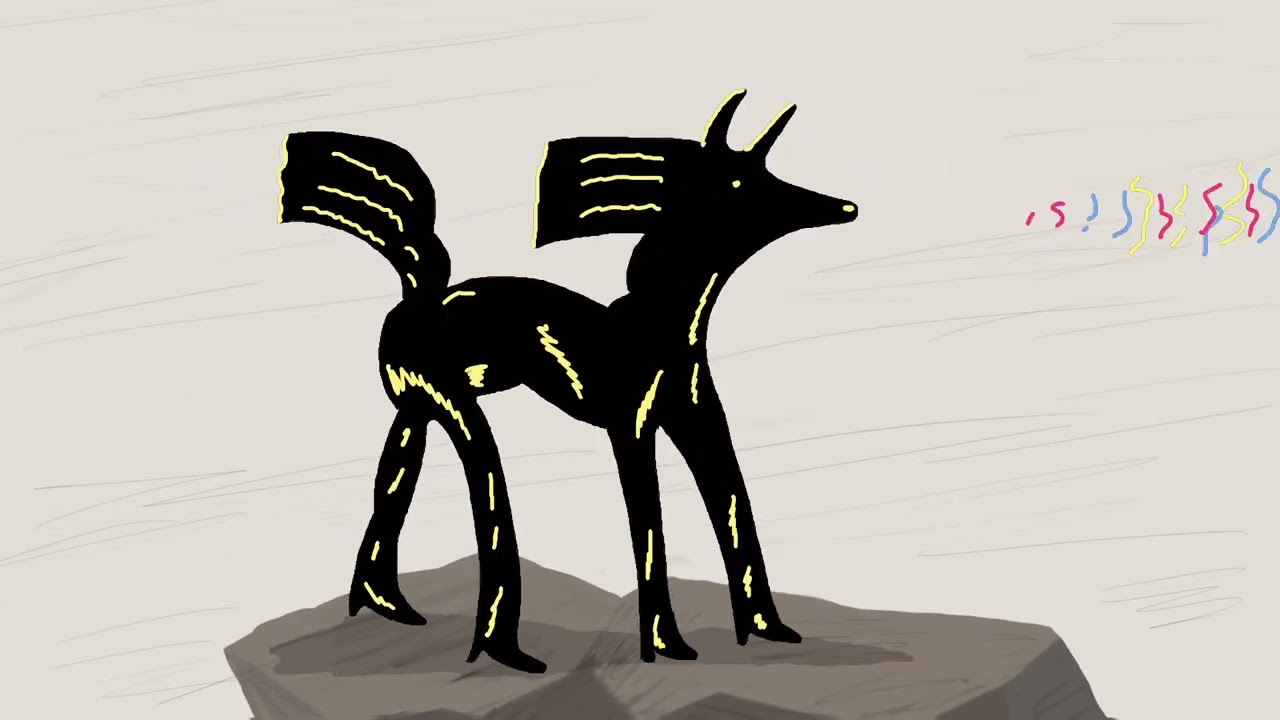
A young woman living abroad tries to teach her mother, who lives back home in Ukraine, how to use Zoom and create an email account. What begins as a simple tutorial in technology gradually unfolds into a tender, funny, and deeply layered portrait of communication and its discontents, of what is spoken and what remains unsaid, of family codes that endure across silence, absence, and time.
This animated documentary plays brilliantly with form, finding wit and warmth in every frame. Its animation is simple yet never simplistic, and its vivid colors give emotional texture to a story that feels both intimate and universal. Through logins, windows and digital interruptions, the film reveals something far more profound about care, understanding, and longing.
We, the jury members, were moved by a film that captures the convergence of the trouble of communication with the generation gap, transforming technological glitches into emotional insights, and distance into re-connection. It is a film both playful and profound, wireless in the affection it transmits to its audience.
Honorary Mention

To the film that uncovers how echoes from the past have shaped our current reality and restores our memory so that, instead of simply saying 'never again,' we can enter a new cycle with a deeper understanding of who we are.
The film accomplishes this political act through poetic and sensual cinematography, bravely playing with timelines and showcasing the daring vision of a promising young filmmaking team.